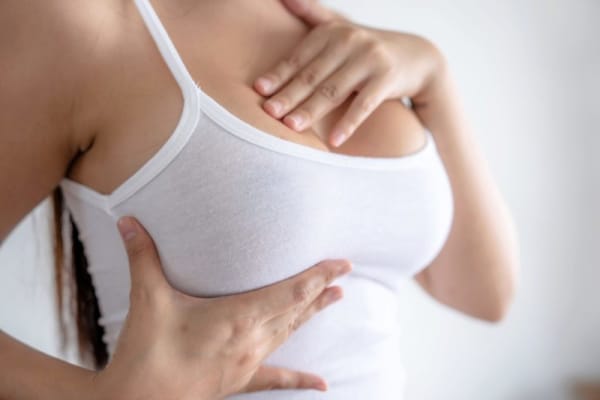
Considering breast augmentation or currently recovering from the procedure? Understanding what happens during recovery can make the whole experience feel far less intimidating. Whether you call it "boob job recovery" or the more clinical "breast augmentation recovery," most patients want the same thing: a smooth, speedy recovery and a natural-looking result.
Dr. Henry Garazo has guided women through comfortable, efficient recoveries for over 20 years, and most patients are surprised by just how quickly they feel like themselves again. Here's what you should know.
How to Reduce Swelling After Breast Surgery
Swelling is a normal part of recovery from breast augmentation. In the first few days, your breasts may feel unusually full, firm, or tender as your body responds to surgery. Swelling typically peaks within the first week, then gradually eases over the following weeks. Most patients notice only mild, residual swelling by months three to four.
Your body does most of the healing work, but a few simple habits support a smoother, faster recovery:
- Wear your post-surgical compression garment as directed
- Apply cold packs in the days immediately following surgery
- Hold off on strenuous activity until your surgeon clears you
- Eat a nutritious, low-sodium diet
- Sleep with your upper body slightly elevated
- Stay well hydrated throughout the day
- Avoid heavy lifting, high-impact cardio, and overhead arm movements for four to six weeks; light walking is encouraged early on to support healthy circulation
Recovery time for breast augmentation varies from patient to patient, and Dr. Garazo always advises patients to contact his office promptly if swelling seems excessive, uneven between breasts, or otherwise concerning.

Breast Augmentation Recovery Week by Week
Every patient heals a little differently, but recovery after breast augmentation generally follows a predictable pattern.
Days 1–3
The first few days are usually the most demanding part of recovery from breast augmentation. Expect tenderness at the incision sites, soreness in the chest and arms, and noticeable swelling. Prescription pain medication typically manages discomfort well during this stage. Rest is the priority, so let your body focus on healing.
Days 5–7
Many of my patients are back to normal, non-strenuous daily activities, including returning to work, within five to seven days. Some tightness and mild discomfort may linger, but most patients have switched to over-the-counter pain relief by the end of the first week.
Months 1–3
This is when your results really begin to take shape. Swelling, bruising, and scar visibility continue to fade, and implants settle into a more natural position. By around six months, most patients say their new breasts simply feel like part of their body.
When Will My Breast Implants Look and Feel Normal?
Most patients see their new normal emerge once most swelling resolves, usually within a few weeks. If your breast implants were placed under the muscle, expect them to sit a little high and feel firm at first. This eases as the pectoral muscle relaxes over three-plus months, a process often called "drop and fluff." It is also normal to feel your implant shift slightly when you flex your chest muscles; this is not a sign of displacement. Saline implants tend to feel firmer initially, while silicone implants, including today's advanced gummy bear style, feel softer and more natural sooner. Occasional tingling or brief shooting sensations are a normal part of nerve healing. These sensations show that nerve endings are reconnecting and healing, and they typically fade on their own within the first several months.
Scars are placed to blend with your natural contours, and with proper post-operative care, they will fade significantly within a year.
Is it Normal to Feel a Breast Implant Move?
Breast implants that are placed under the muscle (or partially submuscular) are likely to move when you engage your chest muscles during recovery. As the muscle contracts, it is perfectly normal to feel the implant shift slightly. This does not mean that your breast implant is in the wrong position or has been displaced.
Will My New Breasts Look Fake?
Plastic surgery has come a long way over the years. Modern surgical techniques and implant technology give women far more control over their results than in years past. The newest generation of silicone gel implants, often called gummy bear implants, are designed to look and feel remarkably natural, letting many patients keep their augmentation private.
Other patients prefer a more noticeably augmented look, with implants that sit higher on the chest and add fuller upper-pole volume. Different implants can create a variety of looks, and what works for someone else may not work for you. Both outcomes are achievable, and during your consultation, Dr. Garazo will help you weigh implant size, profile, and placement so your results match your personal goals.
How Can I Support My Recovery Process?
- Follow every post-op instruction closely, even once you start feeling better
- Arrange help at home for the first few days
- Avoid lifting your arms overhead or lifting anything heavy early on
- Attend all follow-up appointments so your surgeon can monitor healing
- Give your body permission to rest; pushing too hard can slow recovery down
Signs of Complications: When to Contact Your Surgeon
Most recoveries go smoothly, but contact your surgeon’s office if you notice:
- Fever, or redness and warmth spreading around an incision
- Sudden or severe swelling in one breast only
- Unusual or foul-smelling drainage
- Pain that worsens instead of improving after the first week
- Any signs of an allergic reaction to medication
Want to Learn More About Your Options?
A smooth breast augmentation recovery starts with choosing the right surgeon. Board-certified plastic surgeon Dr. Henry F. Garazo has helped women achieve natural, beautiful results for over 20 years and is known for his no-pressure consultations, highly informative approach, and skill at achieving patients' desired outcomes safely.
During your consultation, he'll walk you through exactly what to expect, from surgery day through recovery, including a personalized look at your own recovery time for breast augmentation.