If you are considering breast augmentation, one of the first questions you may ask is how long your results will last. It is a smart question, because breast implants are a long-term decision.
The short answer: breast implants do not expire on a set date, and many patients keep the same implants for years. However, the U.S. Food and Drug Administration (FDA) is clear that breast implants are not lifetime devices. The life of an implant varies from person to person, so regular monitoring matters more than a countdown.
How Long Do Breast Implants Last?
There is no single number that applies to everyone. According to the FDA, the life of breast implants varies by person and cannot be predicted. Your breast implant lifespan depends on factors such as the type of implant, how your body heals, and whether complications develop.
That does not mean your implants will fail on a schedule. It means implants are a device you look after for as long as you have them, the same way you keep up with any other part of your health.
How Long Do Silicone Implants Last?
Silicone implants are filled with a cohesive gel that holds together inside the shell. Because the gel stays in place, a silicone implant can rupture without any obvious change in how the breast looks or feels. This is called a silent rupture and is why silicone implants come with screening recommendations.
Dr. Garazo prefers silicone implants for most patients because of their natural look and feel, and he also offers Natrelle® INSPIRA highly cohesive gel implants, often called gummy bear implants.
How Long Do Saline Implants Last?
Saline implants are filled with sterile salt water. If a saline implant leaks, the saline is safely absorbed by the body, and the breast usually becomes visibly smaller. Because a leak is easy to see, saline implants do not carry the same screening schedule as silicone implants. Like silicone, they are not lifetime devices, and their lifespan varies from patient to patient.
Do Breast Implants Need to Be Replaced?
You may have heard that breast implants must be replaced every 10 years. That is a myth. There is no formal timeline for replacing breast implants.
So, do breast implants need to be replaced on a schedule? No. Implants that are healthy and that you are happy with do not need to come out simply because a certain number of years has passed. However, anyone with breast implants may need additional surgery at some point, even though no one can predict when. Some patients also choose a new procedure later to change the size or shape of their breasts.
What Affects How Long Your Results Last?
Your implants and your results are not quite the same thing. An implant can be completely intact while the breast around it changes. Several factors play a role in both:
- Implant type. Silicone and saline implants behave differently when a problem develops, which affects how quickly it is noticed.
- Complications. Issues such as capsular contracture, where scar tissue tightens around the implant, or a rupture are among the main reasons implants need further attention.
- Changes in your body. Pregnancy, breastfeeding, weight changes, and natural aging can all change the shape and position of your breasts over time, even when the implant itself is fine.
- Your goals. Some patients decide years later that they would like a different size or shape. The FDA notes that patients can choose additional surgery for this reason.
- Follow-up care. Keeping up with recommended checkups and imaging helps catch changes early, when they are often simpler to address.
Choosing an experienced, board-certified plastic surgeon and following your aftercare instructions gives your results the best start.
Signs It Is Time to See Your Surgeon
Contact your plastic surgeon if you notice any of the following:
- A breast that suddenly looks smaller, which can be a sign of a saline leak
- A change in the shape, position, or symmetry of your breasts
- Firmness, tightness, or a feeling that the implant is being squeezed, which can be a sign of capsular contracture
- New pain, swelling, or a lump in the breast or armpit
- Any symptom that is new or that worries you
These changes do not always mean something is wrong, but they deserve a prompt check. The FDA also asks patients to report any unusual signs or symptoms to their surgeon right away.
Breast Implant Screening Recommendations
If you have silicone implants, regular imaging is the best way to catch a silent rupture early. The recommendation is that patients with silicone implants have an ultrasound or MRI five to six years after surgery, then every two to three years after that, as summarized in a review published in RadioGraphics. Your surgeon may recommend an MRI if you have symptoms or if an ultrasound result is unclear.
A few other points to keep in mind:
- Saline implants do not have the same screening schedule, because a leak is usually visible.
- Implant screening is separate from breast cancer screening. Keep up with mammograms as your doctor recommends, and always tell the mammography facility that you have implants.
- Keep your implant device card, which lists your implant style, size, and serial or lot number.
What Breast Implant Revision Involves
If an implant needs attention, or if you would simply like a different look, revision surgery can address it. Depending on your goals and what your surgeon finds, revision may involve removing an implant, exchanging it for a new one, changing the size or type of implant, or treating scar tissue around the implant. Some patients combine revision with a breast lift to restore a more lifted shape.
Every revision is planned around your anatomy, your existing implants, and what you want your results to look like now.
Planning for the Long Term With Dr. Garazo
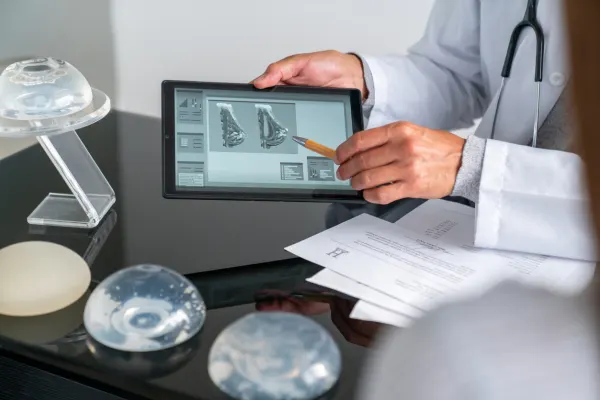
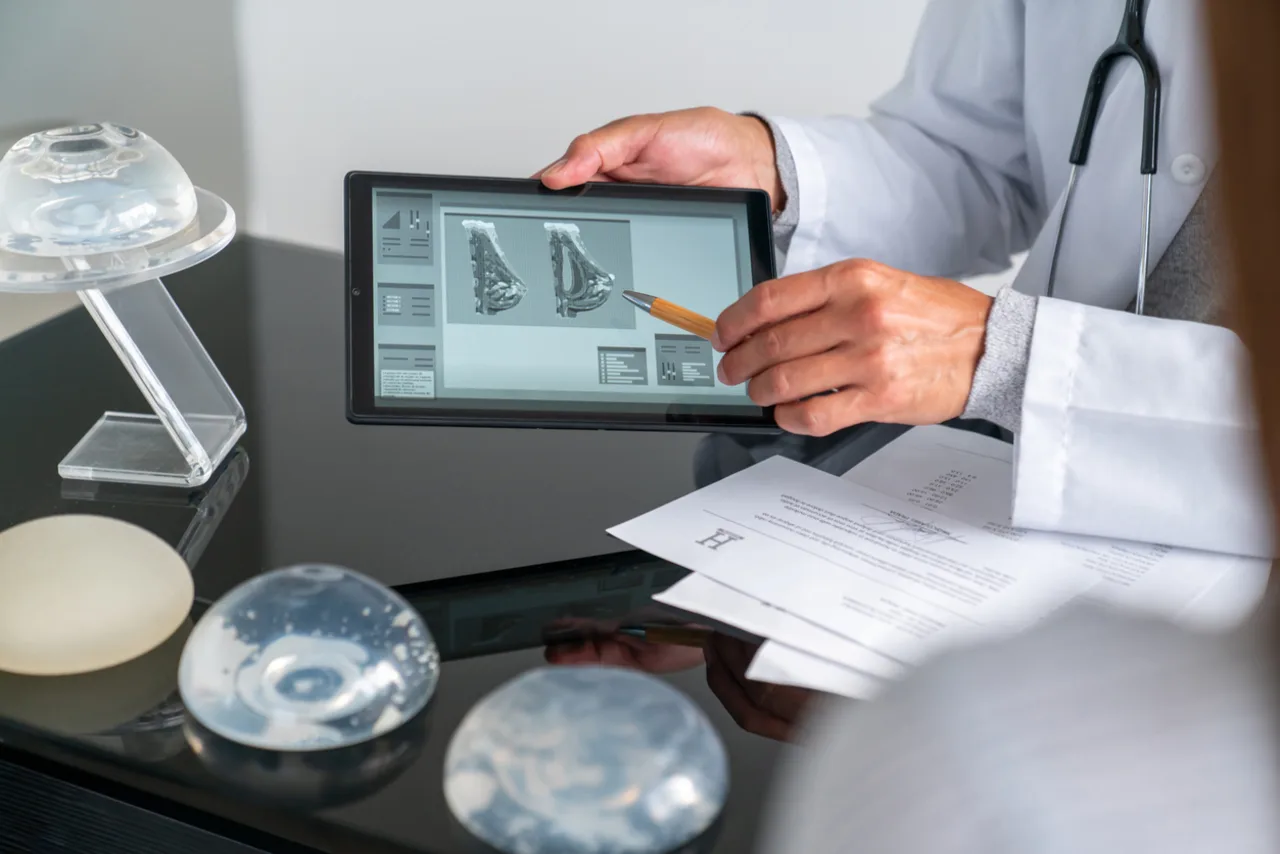
Long-term planning starts at your first consultation. Dr. Garazo takes chest wall measurements, reviews your goals, and recommends an implant type and size that fit your frame. He also talks with you about long-term monitoring, so you know what to expect for as long as you have implants.
Your plan covers more than the surgery itself. You will learn what breast augmentation recovery looks like, how follow-up visits work, and what your options are years from now. If you are still comparing options, you can also learn more about breast augmentation cost and what is included in your fee.
Talk to Dr. Garazo About Your Implants
Whether you are considering breast augmentation for the first time or have questions about implants you already have, board-certified plastic surgeon Dr. Henry F. Garazo can help you plan with confidence. Patients from Hagerstown and the surrounding area meet with him at his accredited surgical practice for honest, personalized guidance.